
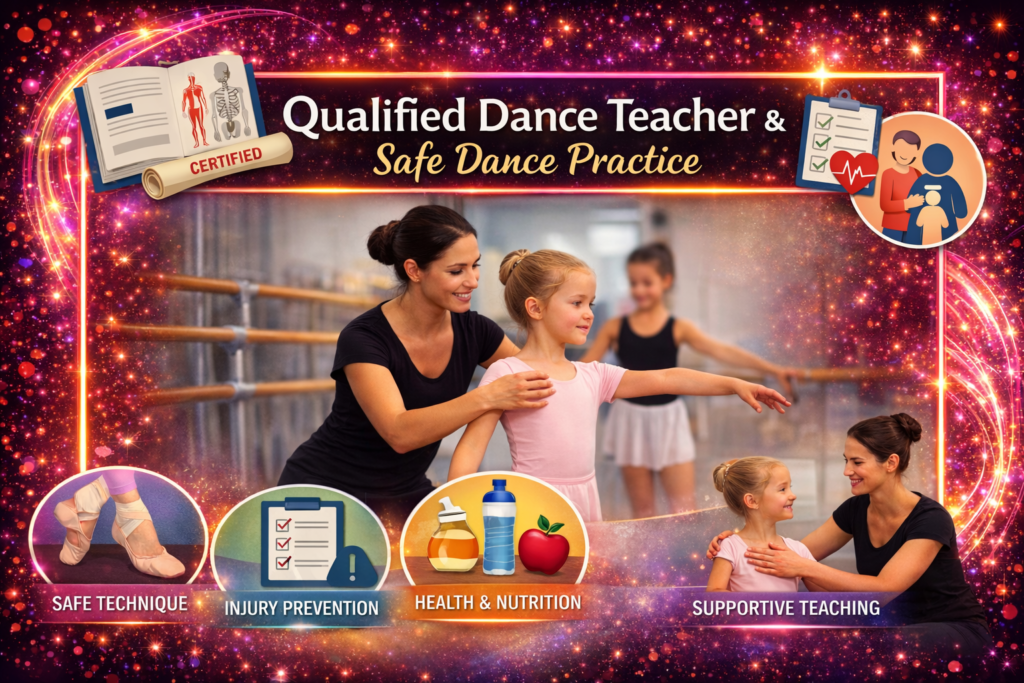
Dance is a powerful form of expression—blending artistry, athleticism, and discipline. But behind every confident performer is a foundation built on proper training and safe practice. At the heart of this foundation are qualified dance teachers, whose knowledge and responsibility go far beyond teaching steps and routines.
Why Qualifications Matter
A qualified dance teacher is more than someone who can perform well—they are trained in how to teach safely and effectively. Recognised qualifications often include training in anatomy, physiology, child development, and teaching methodology. This knowledge enables teachers to understand how the body works and how to train dancers without causing harm.
Without proper training, there is a risk of incorrect technique being taught, which can lead to long-term injuries or poor habits that are difficult to correct.
Building Strong Technique Safely
Technique is the backbone of all dance styles. Qualified teachers know how to break movements down, progress students at an appropriate pace, and adapt exercises for different ages and abilities.
Safe progression is key—especially for young dancers whose bodies are still developing. Introducing advanced movements too early, such as excessive stretching or pointe work, can place unnecessary strain on muscles and joints.
A well-trained teacher ensures that strength, flexibility, and control are developed gradually and correctly.
Injury Prevention and Awareness
Dance is physically demanding, and injuries can occur if proper care is not taken. Qualified teachers are trained to recognise signs of fatigue, strain, or injury. They understand the importance of warm-ups, cool-downs, and rest periods.
They also promote safe practices such as:
- Proper alignment and posture
- Using appropriate flooring and footwear
- Encouraging hydration and nutrition
- Avoiding overtraining
By prioritising these elements, teachers help reduce the risk of both short-term and long-term injuries.
Creating a Safe Learning Environment
Safety in dance is not just physical—it is also emotional. A qualified teacher fosters a positive and inclusive environment where students feel respected, supported, and encouraged.
Harsh criticism, unrealistic expectations, or negative teaching methods can harm a dancer’s confidence and mental wellbeing. In contrast, a supportive teacher helps students grow not only as dancers, but as individuals.
Safeguarding and Responsibility
For those working with children, safeguarding is a crucial part of the role. Qualified teachers are often trained in child protection policies and understand their duty of care.
They ensure that classes are conducted in a safe, supervised environment and that appropriate boundaries are maintained at all times. This level of professionalism is essential in building trust with both students and parents.
Encouraging Lifelong Healthy Habits
Good dance training sets the tone for lifelong habits. When students are taught safely from the beginning, they are more likely to carry those practices into their future training and careers.
They learn to listen to their bodies, respect their limits, and approach dance with both passion and care.
Final Thoughts
Qualified dance teachers play a vital role in shaping not just skilled dancers, but healthy and confident individuals. Their expertise ensures that technique is taught correctly, injuries are minimised, and students feel supported every step of the way.
Safe dance practice is not an optional extra—it is essential. By valuing proper training and prioritising wellbeing, we can create a dance environment where students thrive, both on and off the stage.
Because great dancing isn’t just about how it looks—it’s about how it’s built.